There’s never a perfect time to upgrade. There’s always another reason to wait.
But waiting has a cost — and most operators don’t see it until it’s already adding up. Lost sales. Wasted trips. Bids that go nowhere. A machine that’s been down for two days before anyone noticed. If you’ve been wondering whether a Smart Store is the right next step, here’s a simple way to find out. Read through these five signs. If three or more sound familiar, it’s time to talk.
Sign 1: Your machines don’t take cards or mobile pay
One in three Americans carries no cash daily, according to the American Consumer Institute. That number is even higher for younger shoppers — the people filling gyms, college dorms, and office buildings. If your machines are cash-only, you’re turning away customers who have money to spend. They just have no way to spend it with you.

Going cashless also cuts the hidden cost of handling cash — counting, reconciling, depositing. Operators who make the switch report getting back 2–4 hours per route, per week. And according to our data, cashless transactions see 59% higher average transaction values.
That’s not a small difference. That’s a different business.
Sign 2: You’re guessing when to restock
You know your routes. You’ve built good instincts over the years. But instincts can’t tell you that machine 14 sold out of your top SKU on Tuesday and sat empty until Friday.
Without real-time data, operators over-stock slow movers, run out of top sellers, and make unnecessary trips. That’s lost revenue you never get back. Operators with remote monitoring can eliminate unnecessary route stops. They waste less product. They spend less time driving to machines that don’t need them.
Your gut is good. Data makes it better.
Sign 3: Your location manager calls you about downtime
This one hurts — because it’s not just about revenue. It’s about trust.
A machine that’s down for 24 hours at a busy location can lose possibly hundreds of dollars in sales. But the bigger cost is the phone call from a location manager who’s already had three complaints this week and is quietly wondering if your contract is worth renewing.
Without remote alerts, machines can rack up hours of undetected downtime per year. Across a fleet of 50 machines, that adds up fast. Smart Stores send real-time alerts for payment failures, and connectivity issues. You know before your location manager does — and you respond before they even have to ask.
That reputation is worth more than any single service call.
Sign 4: Your busiest locations are maxed out
This is the good problem. But it still needs fixing.
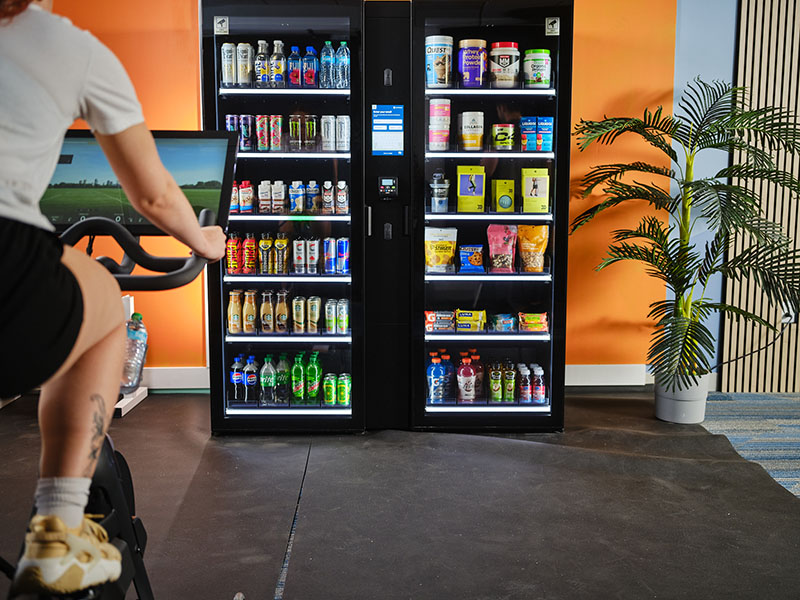
At high-traffic locations — hospitals, office parks, transit hubs, campuses — slow machines lose sales. Long lines push people away. Cash transactions take 25–45 seconds each. Contactless takes 8–12.
At 200 transactions a day, that gap is real. Smart Store locations see an average ticket size of $4.49 compared to average cash ticket of $1.57 for traditional vending. That’s more transactions, more money, same location.
Smart Stores also make it easier to manage more machines without adding staff. If your best locations are already maxed out and you want to grow, smarter infrastructure gets you there faster than more headcount.
Sign 5: You’re losing bids because of payment compatibility
This one surprises some operators — but it’s one of the most important signs on this list.
Colleges and universities run campus card programs: closed-loop payment systems tied to student IDs and dining accounts. There are hundreds of these programs in the US. At most campuses, supporting campus card isn’t optional — it’s a requirement. Operators who can’t comply don’t make the shortlist.
The operators winning those contracts have compatible payment systems. The ones who don’t aren’t even in the conversation. The same logic is spreading to large corporate campuses. If your machines can’t connect to their payment systems, you’re out before the bid process starts.
Cantaloupe Smart Stores natively support campus card integration. That means you can compete for — and win — accounts that used to be out of reach.
How many signs rang true?
If three or more felt familiar, your operation isn’t broken. It’s ready.
Ready for real-time data that makes every route decision smarter. Ready for payment coverage that stops turning customers away. Ready for alerts that protect your contracts before problems become crises. Ready to compete for accounts you couldn’t touch before.
Cantaloupe’s Smart Stores are built for operators like you — experienced, established, and looking for the right next move.
Fast Facts
- Cashless machines see 59% higher average transaction volumes.
- Campus card compatibility is the ticket to a multi-million dollar market.
- Smart Stores let you grow your fleet without growing your headcount — more machines, same team, smarter infrastructure.
- The best time to upgrade is when your routes are already working. Smart Stores take a good operation and make it scalable.

Canteen of Northern California’s work with a local college is a testament to the transformative power of cutting-edge retail solutions. The outcomes are impressive: substantial sales growth, more efficient inventory control, and heightened customer satisfaction. By embracing innovative technology, traditional vending operations were revolutionized, yielding exceptional results.
In this episode of Retail on the GO, we’re joined by Shaun Dayton from Canteen of Northern California to explore how his team brought their Smart Stores to life—and what it means for the future of unattended retail. We dig into the why, how, and what’s next of the Smart Store model, including:
— What made Canteen NorCal take the leap into Smart Stores
— The challenges they faced and how they overcame them
— The impact on operations, efficiency, and customer experience
— Tips for other operators looking to future-proof their business
If you’re a vending or micro market operator exploring your next move, this episode is packed with insights to help you stay ahead of the curve. 🎧 Tune in now and hear how smart retail is becoming the new standard.
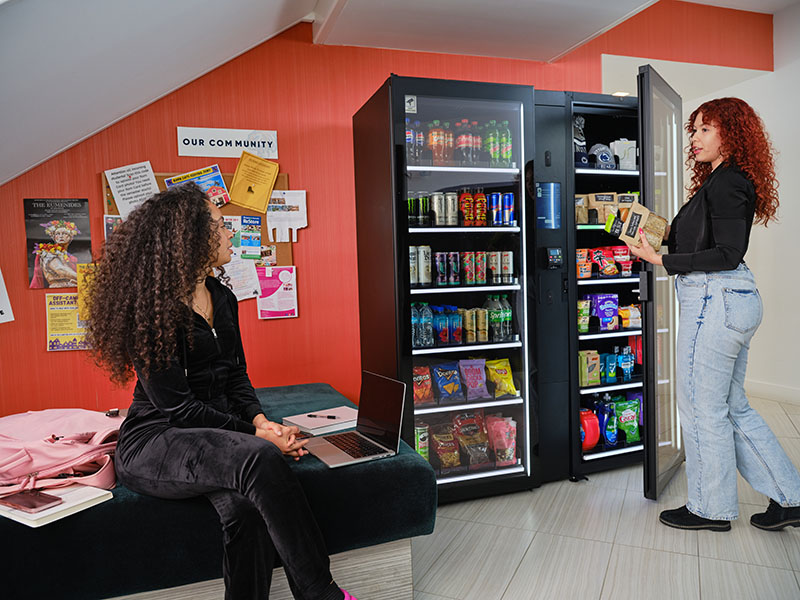
Smart Stores can transform your vending business by offering more products and a smooth customer experience. Discover how these advanced machines can boost your sales and expand your business into new locations.