You spot your favorite snack in a vending machine. You’re ready to grab it — until you realize there’s no way to tap and pay. No card reader, no mobile wallet option, just a dusty bill acceptor. You hesitate, check your pockets for cash, then walk away.
It’s a small moment, and one operators rarely see, but it adds up fast. Every time a machine can’t meet a customer’s payment expectation, that sale disappears. Not because of the product. Because of the experience.
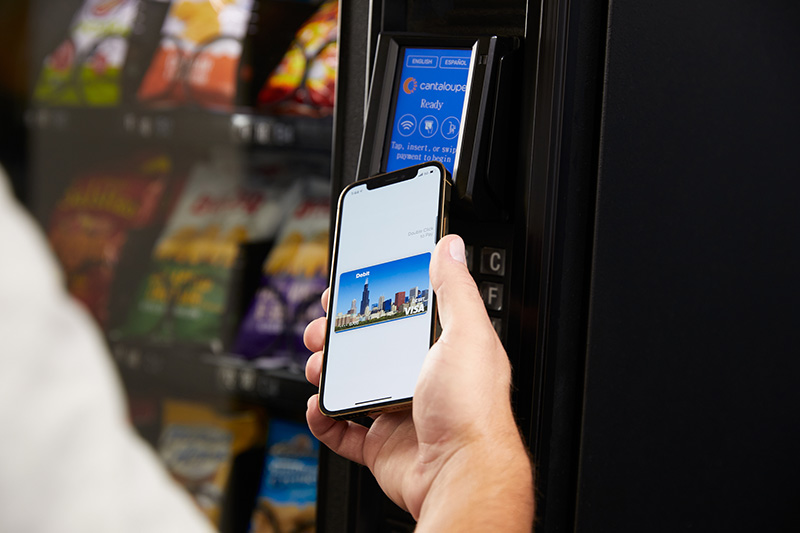
The reality is clear: the vast majority of consumers now expect to pay with a tap. According to our 2025 Micropayment Trends Report, 71% of vending machine transactions were cashless in 2024, and 77% of those were contactless — meaning a quick tap of a phone, watch, or credit card. If your machines aren’t keeping up, your customers are quietly walking away and spending elsewhere.

Consumers Tap First. Ask Questions Later.
Contactless payments have gone from novelty to normal in just a few short years. What began as a pandemic-driven convenience is now fully embedded in everyday behavior. In fact, over 50% of Americans now use contactless. In self-service retail, that percentage is even higher. Consumers prefer it because it’s faster, easier, and safer than cash or even chip-and-PIN payments.
For vending machines, where purchases are often driven by speed and convenience, the expectation is simple: tap to pay and go. When that experience is interrupted by the need for cash or a swipe, customers are far more likely to abandon the purchase entirely. And once they do, they may not come back.
Less Friction, More Revenue
The data doesn’t just reflect a shift in preference — it shows a clear boost to operator revenue. In 2024, the average ticket size for a cashless vending purchase was $2.24, compared to $1.78 for a cash transaction. That’s a 37% increase. Even more striking is the rise of mobile wallet use — transactions made via phone or smartwatch grew more than 300% year over year, making up a significant portion of total cashless sales.
The reason is simple: removing friction from the transaction encourages more spontaneous purchases. Tap-to-pay doesn’t feel like spending in the same way as digging for change or feeding in a $5 bill. When paying is effortless, customers don’t think twice about grabbing a second snack or drink — and that means more revenue per visit.
Operators Who Switch See Results
Across the self-service industry, operators who prioritize cashless and contactless technology are seeing a clear return. Micro markets, for example, hit a major milestone in 2024, surpassing $1 billion in total sales. Nearly all of those transactions — 96% — were cashless. Smart Stores, a rapidly growing self-service format, were entirely cashless and delivered the highest average ticket size of any channel: $4.25 per transaction, more than double the vending average.
These results aren’t just about consumer preference — they’re about unlocking new revenue potential. With contactless tech in place, operators are expanding into office buildings, apartment complexes, gyms, and other high-traffic spaces where traditional cash acceptance just doesn’t cut it. It’s not just a payment method — it’s a growth strategy.
Every Tap Counts
The takeaway is simple: if your machines don’t support contactless payments, you’re not just missing a feature — you’re missing revenue. Today’s consumers don’t carry cash. They carry phones, smartwatches, and tap-ready cards. And when your machines match their expectations, they spend more, more often.
It’s not about following a trend. It’s about setting a new standard. Whether you’re running 20 machines or 2,000, contactless payment is no longer optional — it’s essential.
Let’s talk about how Cantaloupe can help you cash in on contactless.
Fast Facts
- 71% of vending machine sales in 2024 were cashless — and 77% of those were tap-to-pay.
- Contactless transactions drive bigger purchases, averaging $2.24 vs. $1.78 for cash.
- Mobile wallet use grew over 300% year over year at vending machines.
- Operators using contactless tech are expanding into new, high-traffic locations — and seeing major revenue gains.
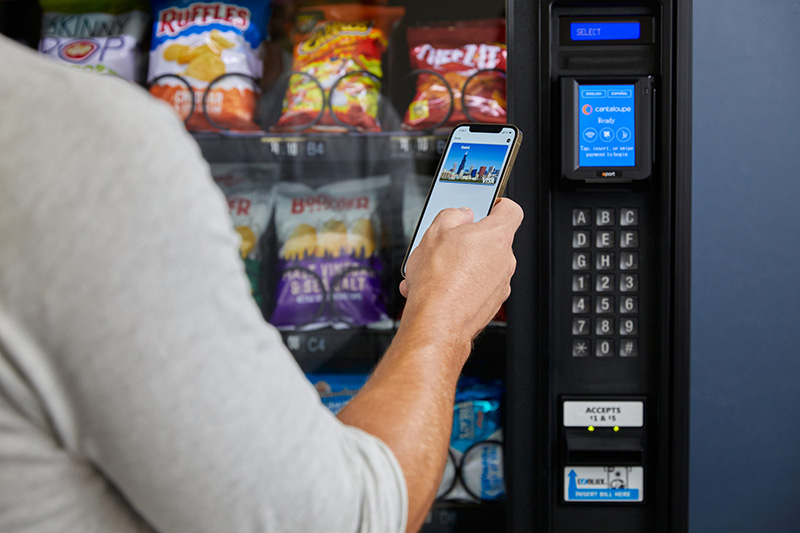
Vending businesses should accept cashless payments because it’s more convenient for customers, increases spending, reduces vandalism, offers better security, and provides real-time sales data. This helps businesses grow by making it easier for customers to buy and track sales.
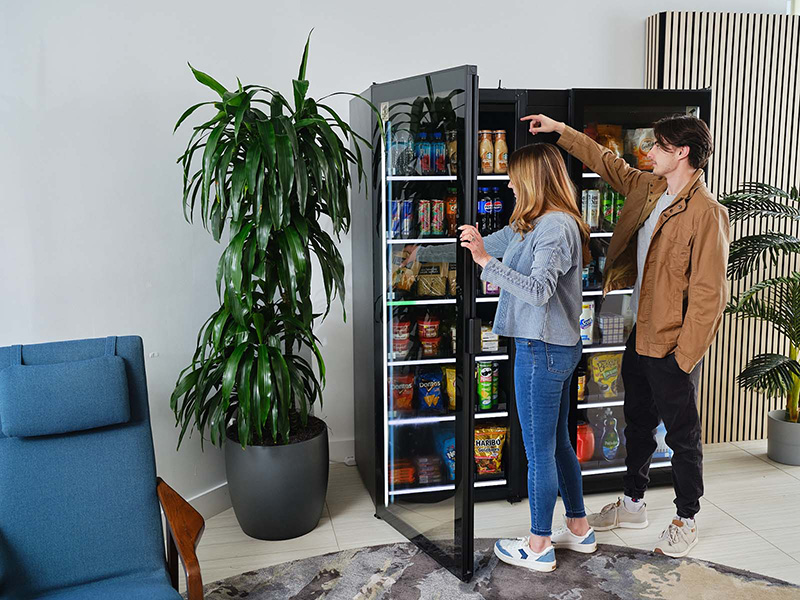
Self-service retail is entering a new era—faster, smarter, and more profitable for operators who stay ahead of the curve. From the rapid rise of micro markets and the success of Smart Stores, to the cashless transformation of arcade machines and new growth opportunities in hospitality and entertainment, this is your guide to what’s next.
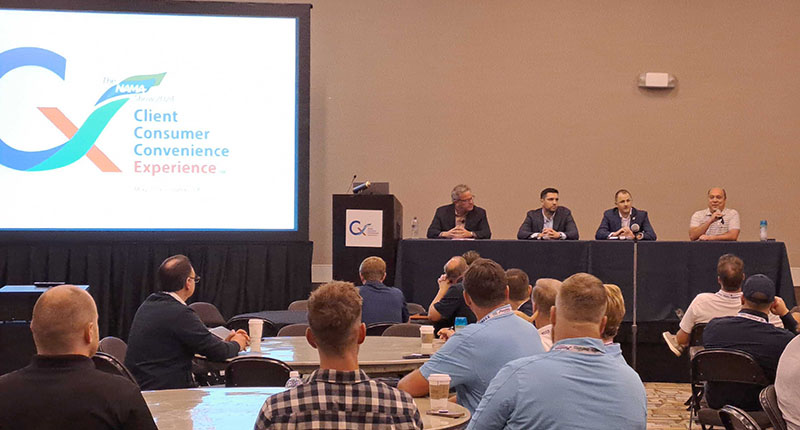
Modernizing business operations helps solve high costs and labor shortages. It involves using technology to improve customer and employee experiences, being flexible, and engaging employees in technological changes for successful transformation.