You probably check your sales numbers all the time. But have you ever looked deeper — at how people are paying, what times they’re buying, or which products move the fastest? That’s where payment insights come in.
They’re not just for tracking totals. They show you patterns, habits, and chances to improve. And when you use that info the right way, you can keep your machines better stocked, your customers more satisfied, and your business growing.
Whether you’re running vending machines, micro markets, or Smart Stores, here’s how you can use payment data to drive repeat business — and make smarter decisions every day.
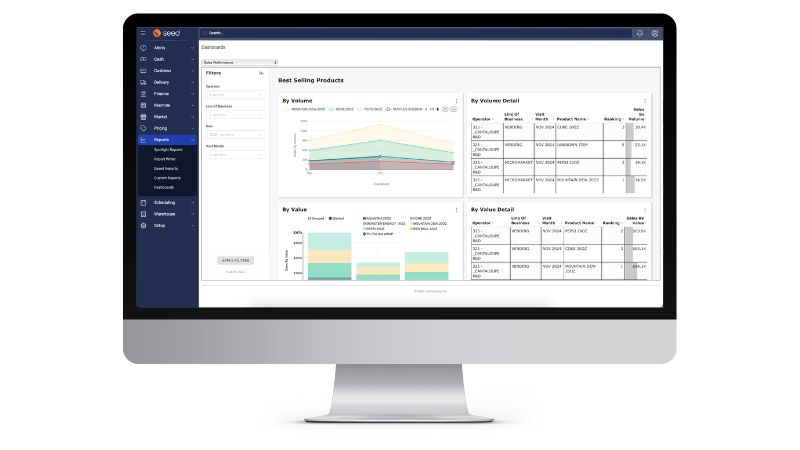
1. Know what sells — and when
Your payment data can tell you more than just what’s popular. It can also show when certain items sell best. For example, coffee and energy drinks might spike early in the morning, while salty snacks might fly off the shelves in the late afternoon. Weekends may bring different buying patterns than weekdays. And some items might sell better after a holiday or during certain weather.
By spotting these trends, you can stock products when customers want them most — and avoid empty shelves or wasted goods. If you’re running a micro market, you can also schedule promotions for slow times or high-traffic hours to increase repeat purchases.
With tools like Seed Analytics, you can dig into this data without spending hours sorting spreadsheets. It’s all right there: what sells, when, and where.
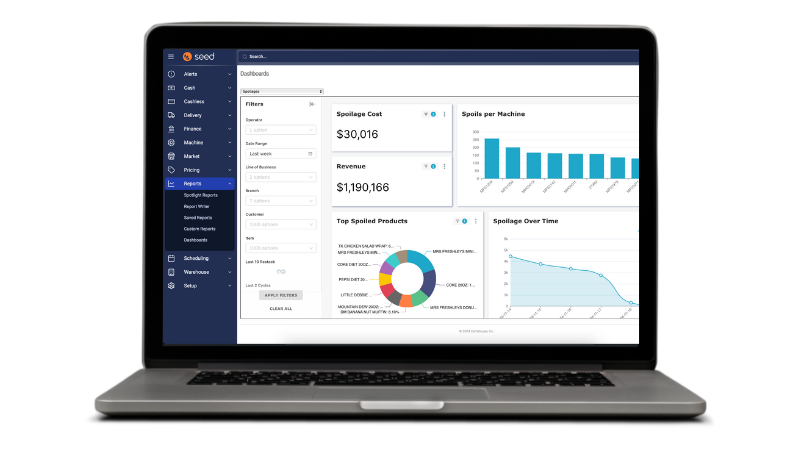
2. Look at how people are paying
Understanding how your customers pay can help you increase sales without changing your product mix.
Did you know that customers spend more when they pay with cards or mobile wallets? In 2024, cashless vending purchases averaged $2.24 compared to $1.78 for cash — that’s a 37% boost.
Even more powerful: mobile payments grew by over 300% in 2024 and tap-to-pay made up 77% of all cashless sales. Customers love the speed and ease of just tapping their phone or card and moving on.
If you’re still relying mostly on cash, it may be time to add or upgrade card readers. It’s not just about keeping up — it’s about earning more from every transaction and giving customers the payment options they expect.
3. Use bigger spenders as a clue
Not all sales are equal. Some products bring in higher profits than others — and your data can help you spot them.
Let’s look at the numbers: in 2024, Smart Store transactions averaged $4.25, compared to $2.11 for vending and $2.67 for micro markets. Why? These stores offer more variety, often including fresh food, personal items, or higher-margin goods. Customers are willing to spend more when they see value and convenience.
By looking at your top-selling, highest-ticket items, you can figure out what to stock more of — or where to test new premium products. You can also see where bundling might work (think: snack + drink combos) to boost basket size. Over time, these small changes can lead to bigger profits—and a more satisfying experience for your customers.
4. Create offers based on real habits
Once you start noticing patterns in buying behavior, you can use that info to reward your best customers. Let’s say someone buys a snack every day around the same time. That’s a repeat customer—and a great opportunity for a loyalty reward. A simple offer like “buy 4, get the 5th free” can keep that person coming back.
You might also spot that certain products sell better on Fridays or during lunch hours. Use those moments to run time-based discounts or highlight limited-time bundles. The best part? These ideas don’t require guesswork. Your payment data tells you what’s happening. All you have to do is respond.
5. Test and learn in real time
Trying something new? Your data will tell you — fast — if it’s working. Maybe you raise the price of a popular snack by 10 cents. If sales hold steady or even increase, that’s a win. If they drop, you can adjust quickly.
Or maybe you’re testing a new brand of drink. Real-time sales data lets you see if customers are picking it up, and whether it’s worth keeping on the shelf. With real-time tools, you’re not stuck waiting for end-of-month reports. You can learn what works now — and keep your business moving forward without wasting time or money.
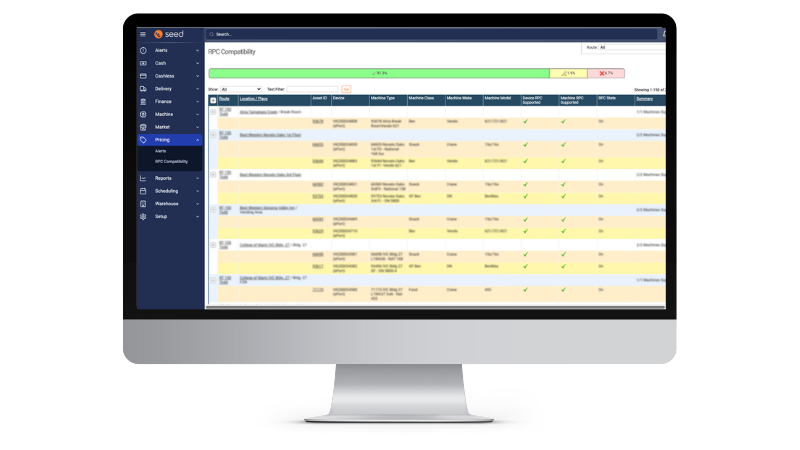
Let your data work for you
If you’ve never used payment insights before, don’t worry—you don’t need to be a data expert.
Start small. Pick one area, like restocking based on time-of-day data or reviewing your cashless vs. cash transactions. The key is to build a habit of checking the data regularly and using it to guide your choices.
Over time, you’ll start to spot trends faster, respond to problems quicker, and run your business more efficiently. And best of all? Your customers will notice the difference — and keep coming back.
Fast Facts
-
Cashless wins. Cashless vending sales were 37% higher than cash in 2024.
-
Timing counts. Sales data shows when products sell best—stock accordingly.
-
Smart Stores sell more. Average ticket size hit $4.25—double that of vending.
-
Test fast. Real-time insights help you adjust pricing and products quickly.
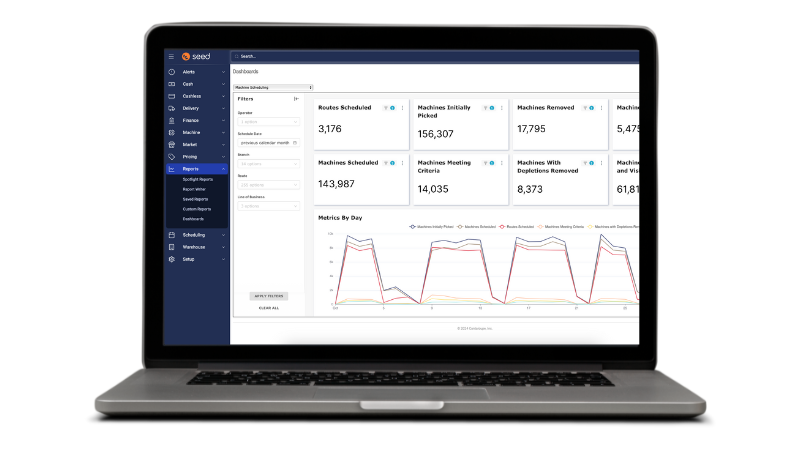
Discover how Seed Analytics can revolutionize your retail operation with seven powerful functionalities that offer real-time insights and actionable data. These tools are designed to boost efficiency, reduce waste, and drive your business forward.
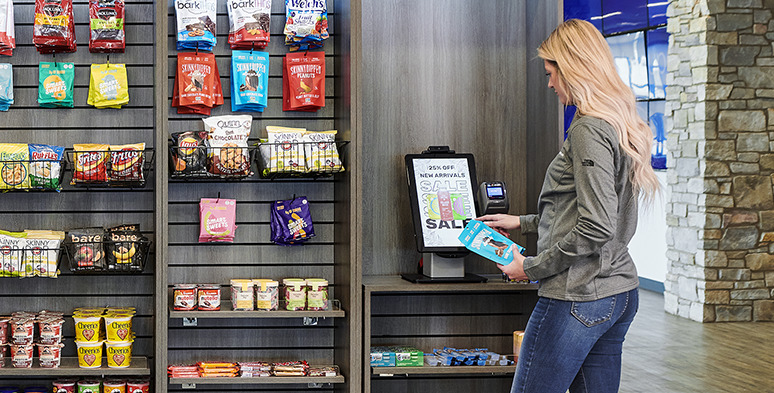
Technology in vending operations offers real-time sales and inventory insights, simplifies processes such as price adjustments, and boosts customer loyalty with rewards. It supports cashless payments and personalizes experiences, enhancing efficiency and satisfaction in self-service retail.
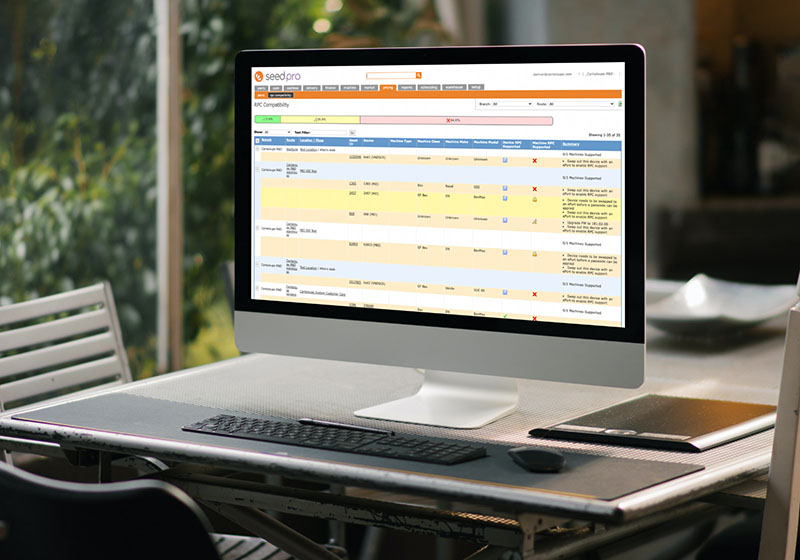
Remote Price Change (RPC) lets vending machine operators update prices from afar, saving time and money. It helps quickly adjust to market shifts, increases earnings, and removes the need for manual changes.