
Surveillance Systems:
- High-definition cameras with cloud storage
- Motion-activated recording
- Remote monitoring capabilities
- Visual deterrence through visible camera placement
Welcome to the world of micro markets, where convenience meets technology to create a seamless shopping experience for consumers and a profitable venture for business owners. Whether you’re a seasoned entrepreneur or just getting started as a small business owner, this guide will walk you through everything you need to know about starting and running a successful micro market business.
Micro markets are the modern retail experience.
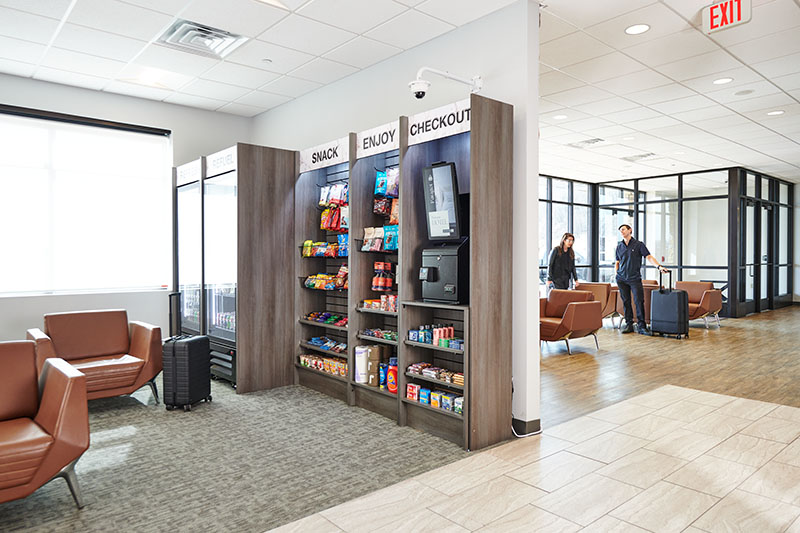
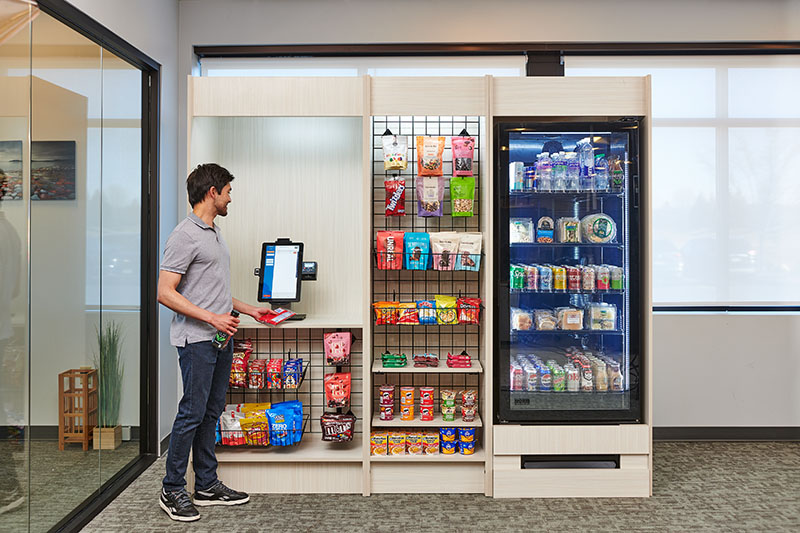
A micro market is an unattended retail space that offers consumers a self-service shopping experience with open shelving, coolers, and a self-checkout kiosk. Unlike traditional vending machines that limit product selection and visibility, micro markets create a miniature store environment where customers can pick up and interact with products to make informed purchasing decisions before checking out.
Think of a micro market like a tiny, self-service convenience store – without the need for traditional checkout lines or staff.
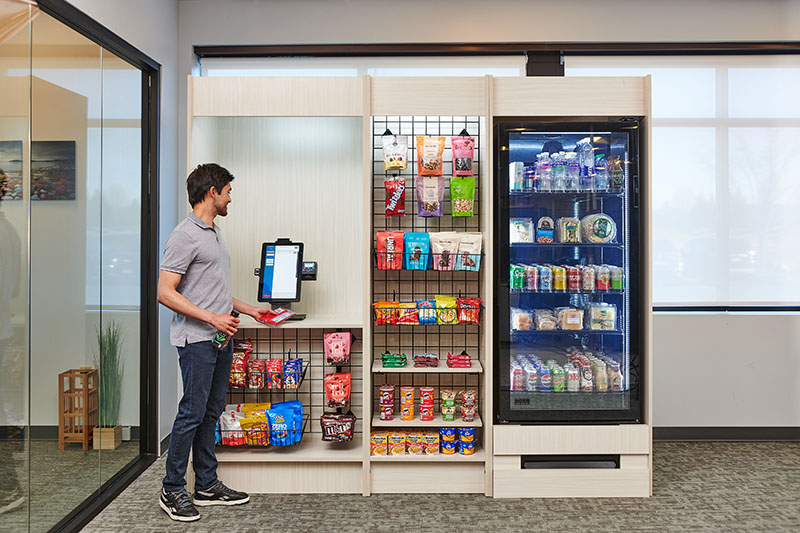
Micro markets offer advantages for both business growth and customer satisfaction. They represent the perfect middle ground between traditional vending and full-service convenience stores, making them ideal for workplaces, hospitals, hotels, residential buildings, and many other locations where a full retail operation isn’t feasible.
Business Benefits:
Customer Benefits:
Self-service kiosks and point-of-sale (POS) systems serve as the central hub of your micro market, handling transactions and providing customers with a user-friendly interface.
Features of modern kiosks include:
When selecting a kiosk system, consider factors like screen size, payment options, durability, and integration capabilities with your management software.
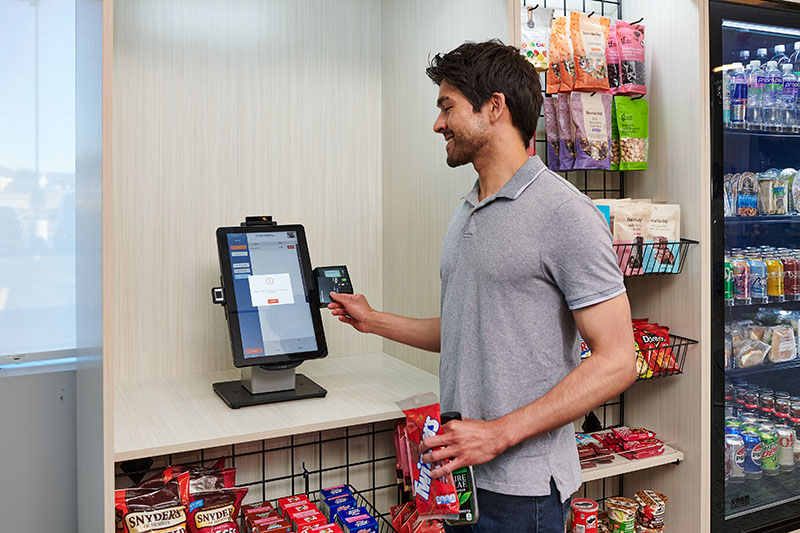

Smart Coolers allow you to offer fresh food and chilled beverages with enhanced security, enhancing customer experiences at micro market locations while protecting your investment.
Features of Smart Coolers and Freezers include:
Installation and setup is straightforward with our step-by-step guides.
Key steps for micro market setup:

Managing a micro market business efficiently requires robust vending management software (VMS). This software helps track inventory, manage pricing, and streamline operations, ensuring your micro market runs smoothly and profitably.
Our Seed Markets platform offers enhanced features designed to improve efficiency and drive growth. With tools for inventory management, sales tracking, and customer engagement, Seed Markets is essential for any micro market business looking to thrive.
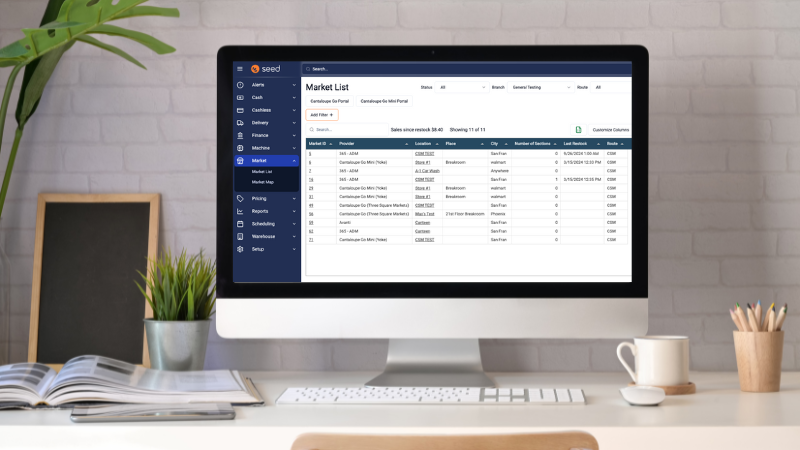
The power of data cannot be overstated. Use analytics to optimize your operations, increase revenue, and make informed business decisions.
Embrace the future with remote management capabilities. Adjust prices, monitor inventory, and manage your micro market from anywhere, anytime.
Turning your micro market business into a highly profitable operation requires strategic thinking and attention to detail. Here are key strategies that successful operators implement:
Product Selection and Merchandising:
Pricing Strategies:
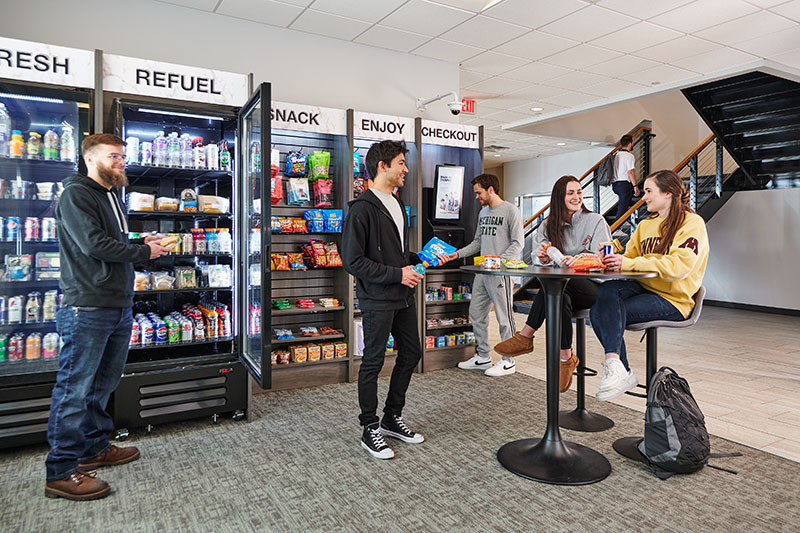
Operational Efficiency:
Customer Engagement:
Even in smaller locations with limited foot traffic, micro markets can be highly profitable when properly managed. The key is to tailor your approach to the specific needs and preferences of each location.
Explore additional resources for maximizing profitability:
Loss prevention is a critical concern for any micro market business. Unlike vending machines, the open-shelf format creates potential vulnerability to theft. However, modern technology offers effective solutions:
Surveillance Systems:

Access Control:

Software Solutions:

Operational Strategies:
The most successful operators view security as an investment rather than an expense. By implementing the right combination of technology and procedures, you can significantly reduce shrink while maintaining the open, inviting atmosphere that makes micro markets appealing to customers.
Learn more about shrink and security tactics:
As you develop and grow your micro market business, you’re bound to run into questions. Cantaloupe is here to help you every step of the way – contact our expert support team whenever you need us.
Contact Us for operator device or software assistance by calling +1 888.561.4748 or email [email protected].
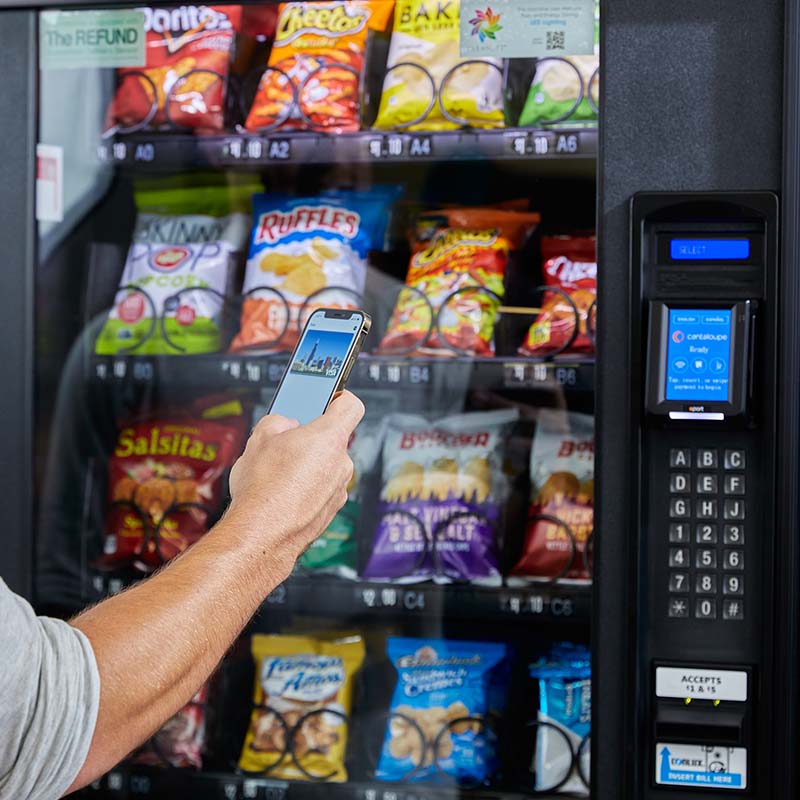
Micro markets and vending machines provide self-service shopping. Micro markets, ideal for busy places like offices, offer a wider product range and are cost-effective. Vending machines are better for less busy areas and fit small spaces.
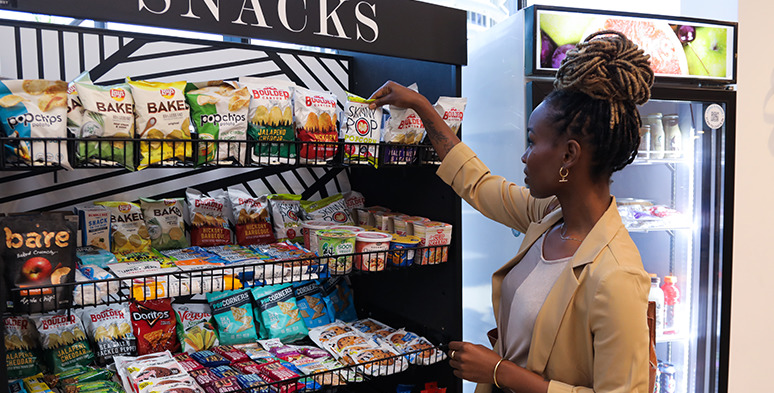
Micro markets are ideal for busy areas like colleges, hospitals, and hotels. They require minimal space, cater to small crowds, use smart technology for convenient shopping, and can expand to public places like airports with proper security.
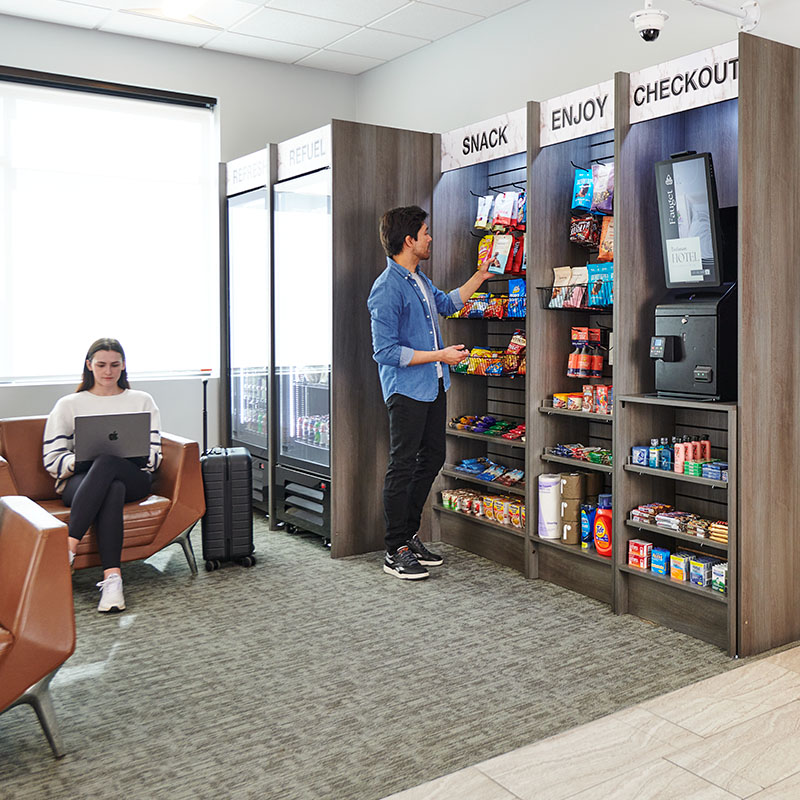
Micro markets are spreading to hotels, luxury apartments, and gyms, offering convenience and a variety of products. This expansion increases accessibility to snacks and essentials, enhancing customer satisfaction and sales.
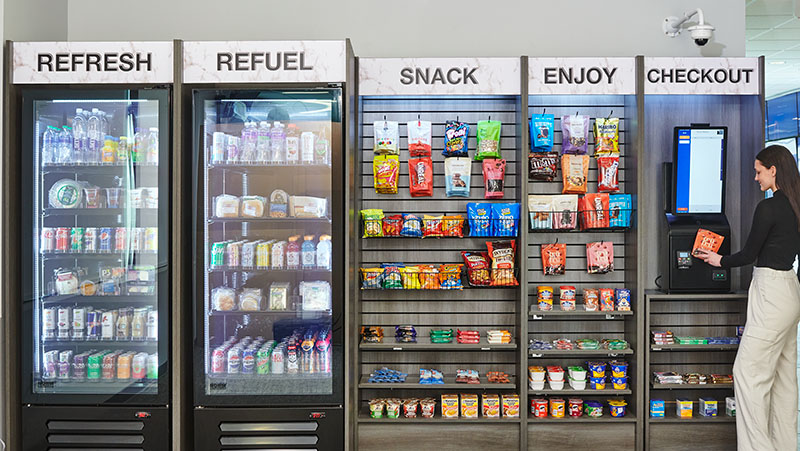
To launch and test new micro market products, partner with suppliers, use eye-catching signs, hold customer events, and analyze sales data. These steps help make your market exciting, boost sales, and keep customers happy.
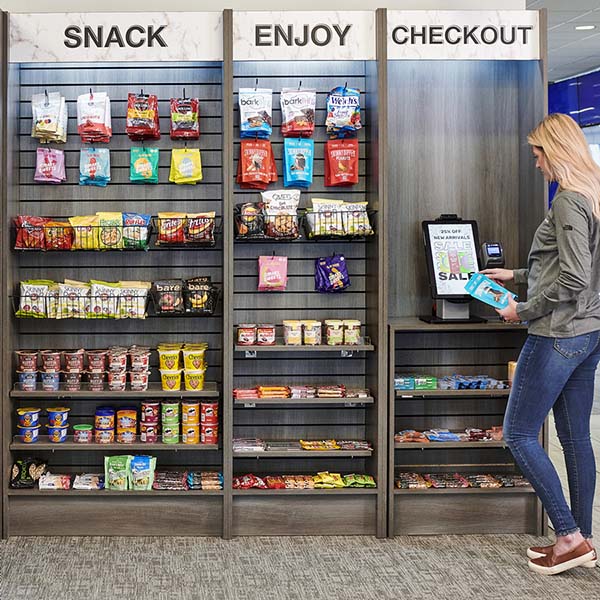
Enhance consumer engagement in micro markets by understanding customer demographics, creating customized planograms, and adapting product offerings. Utilize feedback, loyalty programs, and sampling to boost interaction and satisfaction, aiming for improved growth and retention in these markets.