Consumers haven’t stopped spending. They’ve become more thoughtful about where, when, and how they spend their money.
That’s one of the biggest takeaways from the 2026 Micropayment Trends Report from Cantaloupe and 365 Retail Markets. The report looks at transaction data from more than 621,000 connected devices across the United States and Canada between January and December 2025 (roughly $4.6 billion in self-service spend), alongside consumer spending insights from Mastercard SpendingPulse®.
Overall consumer spending held steady in 2025, but shoppers became more selective. They looked for value, convenience, and speed in their everyday purchases. Self-service retail kept growing at the same time — just not evenly across formats or locations.
For self-service operators, that combination creates a clear opportunity. The businesses that make buying easier, and use technology to run smarter operations, will be better positioned to grow.
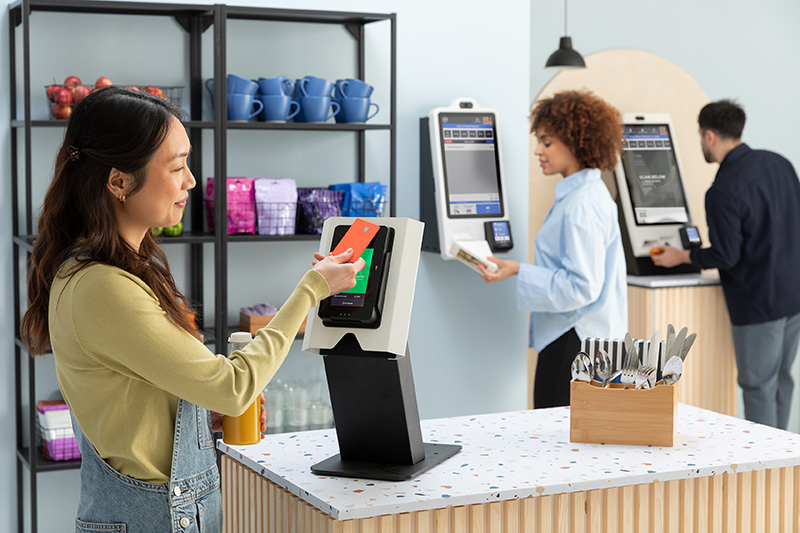
Cashless Payments Now Drive 78% of Vending Sales
Today’s consumers expect shopping to fit into their busy lives. Whether they’re grabbing a snack at work, picking up lunch on campus, or buying essentials in an apartment building, they want the experience to be quick and hassle-free. Our data reflects that shift.
In 2025, cashless payments accounted for 78% of all vending sales, up from 73% the year before. Contactless payments, tapping a card or using a mobile wallet, made up 85% of cashless vending sales, up from 78% in 2024. Micro markets remained nearly 100% cashless, and Smart Stores operate completely cashless.
Mobile wallets continued to grow, reaching nearly 38% of cashless sales by year-end. That pace was more incremental than 2024’s surge, which suggests the behavior is settling in: physical cards still do most of the tapping at food and beverage vending. Either way, the consumer expectation is the same — quick, simple, contactless.
Payment type also shows up in the basket. At vending machines, the average cashless ticket was $2.45 versus $1.57 in cash — a 59% difference.
Meeting those expectations starts with the right payment technology. Cantaloupe’s cashless payment devices let operators offer the fast, secure checkout consumers already use everywhere else, whether a customer taps a credit card, or pays with a mobile wallet. Removing friction at checkout improves the customer experience — and, as the ticket data shows, it tends to lift spend.
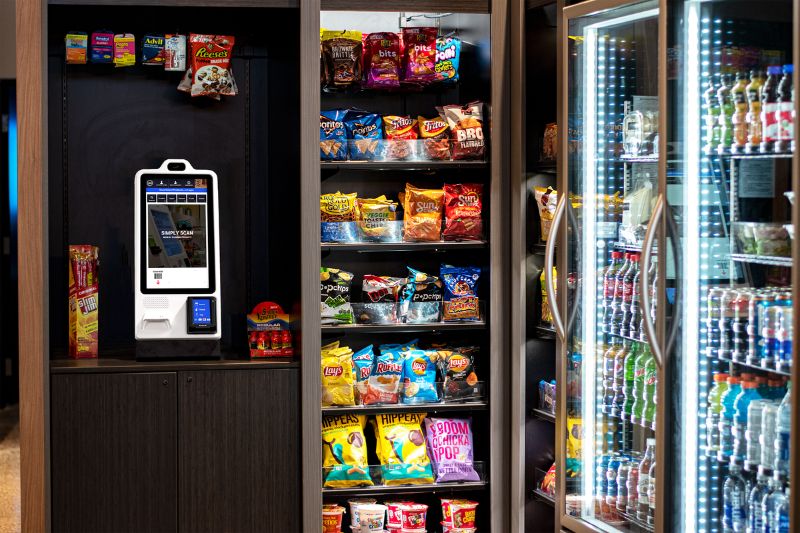
How Fast is Self-Service Retail Growing in 2026?
The self-service industry is still growing, but not every location performs the same, and the growth curve is flattening in the more established formats.
Food and beverage vending sales rose 5% year over year to $3.3 billion. Micro markets crossed the billion-dollar mark for the second straight year, reaching $1.13 billion in sales, up 13%, across 7,451 locations. Location growth for micro markets was 19.7% — healthy, but a step down from 28% in 2024 and 36% in 2023.
That deceleration isn’t a warning sign. It reflects a maturing format and operators becoming more selective about where they expand. Instead of simply adding locations, they’re concentrating on the ones with the most opportunity.
Making those decisions requires more than instinct. Connected software gives operators visibility into which products sell best, which locations perform strongest, and where inventory needs attention — so they can act on real-time data instead of reacting after the fact.
With Cantaloupe’s Seed management platform, operators can monitor sales, inventory, machine health, and route performance from a single system. That means less guesswork, fewer unnecessary service visits, and more time spent growing the business.
Average Ticket Size: Vending vs. Micro Markets vs. Smart Stores
As buying habits change, consumers are also looking for more than traditional vending can always provide.
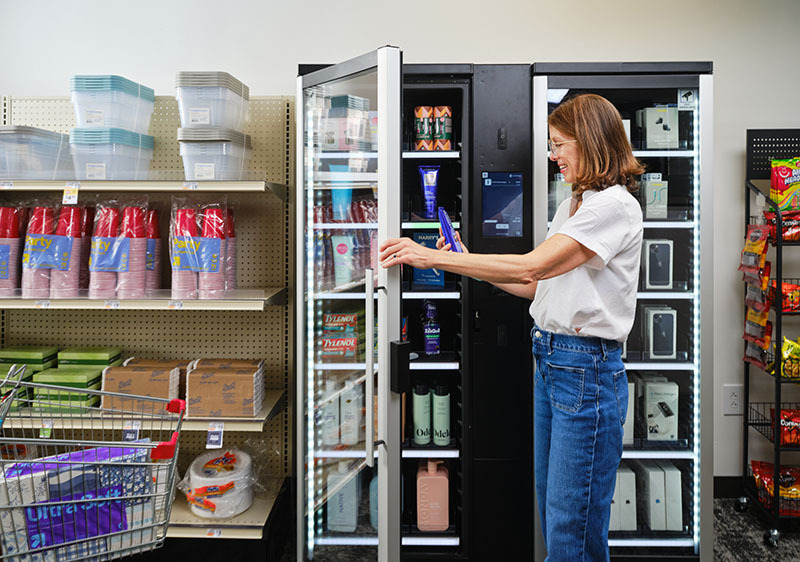
Micro markets and Smart Stores create a more open, retail-like experience. They offer fresh meals, beverages, snacks, and everyday essentials, which gives shoppers more reason to build a larger basket.
The report shows that difference clearly. The average vending transaction was $2.01 in 2025. Micro markets averaged $3.02, and Smart Stores reached $4.49 — the highest average ticket of any self-service format.
Smart Stores were also the fastest-growing format by a wide margin, expanding from 71 locations to 572 — a 705% increase in a single year. Total Smart Store sales are still modest at $6.3 million, so this is early-stage scale rather than a mature revenue line. But the adoption rate points to real operator interest and growing consumer acceptance.
Why Routine Spending is the Most Reliable Growth Source
One of the report’s strongest messages comes from the consumer side of the data. According to our Consumer Context data, routine, everyday spending is the most reliable source of demand. Grocery spending grew 2.3% year over year in 2025, driven largely by routine purchases tied to work, school, and home life — patterns that hold steady through the year and depend less on travel or seasonal swings.
Consumers also traded down rather than opting out. Quick service restaurants grew roughly 5% year over year, outperforming other dining segments as shoppers looked for more affordable options. Restaurants, grocery, and fuel and convenience together account for about 60% of total consumer spend — a stable foundation for any self-service play that intersects them.
Vending and micro markets benefit from that same demand: convenience at a lower price point. Knowing which locations capture it best — and why — is becoming a competitive advantage.
Connected devices, cloud software, and real-time analytics let operators spot trends early. They can adjust product mix, refine pricing, reduce stockouts, and improve service schedules using actual performance data instead of assumptions.
Self-Service Predictions for 2026
Cantaloupe’s outlook for the year ahead is steady at the base and faster at the edge: vending sales growing about 5%, micro market sales volume up 10.9%, amusement and gaming sales up 19.5%, and Smart Store cashless transactions climbing 167%.
Amusement and gaming is worth watching for a different reason. The segment reached $178 million in total spend, up 16.9%, and while cashless made up only about 37% of transactions, it drove 79% of revenue. Players who pay cashless spend $6.01 per session versus $0.94 in cash, because card and mobile payments don’t interrupt play.
What Self-Service Operators Should Do Next
Consumer spending habits will keep evolving. New retail formats will emerge (like the Hot Hold and Shaffle units Cantaloupe highlighted at NAMA 2026). Expectations for speed, convenience, and flexibility will only increase.
The operators that succeed won’t simply respond to those changes. They’ll use technology to stay ahead of them. Whether it’s modern payment devices, cloud-based management software, micro markets, or Smart Stores, Cantaloupe gives operators the tools to adapt as consumer expectations change.
As the 2026 Micropayment Trends Report shows, consumers are still spending. They’re simply choosing the businesses that make shopping easier, faster, and more convenient. Operators who pair strong locations with connected technology will be best positioned to capture that demand — not just in 2026, but for years to come.
Fast Facts
- Cashless payments now account for 78% of all vending sales, with contactless payments leading the way.
- Smart Stores posted the highest average ticket at $4.49, outperforming vending and micro markets.
- Micro market sales grew 13% in 2025, even as operators became more selective about new locations.
- Operators using connected payments and management software are better equipped to meet changing consumer expectations and grow their business.
We’ve pulled five of the most operator-relevant numbers to give you a taste of what’s inside. But the full report is where the real value is — the context, the trend graphs, and the consumer behavior data that explains not just what happened in 2025, but why, and what it signals for the year ahead.
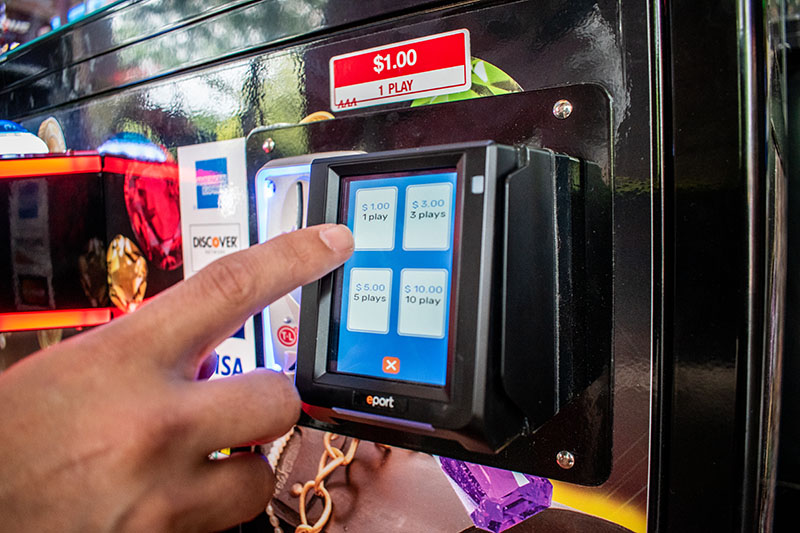
Amusement machines are quickly becoming one of the fastest-growing opportunities in self-service retail. Here, we break down the trends, payment data, and technology making it easier than ever for vending operators to add games—and unlock new revenue streams.
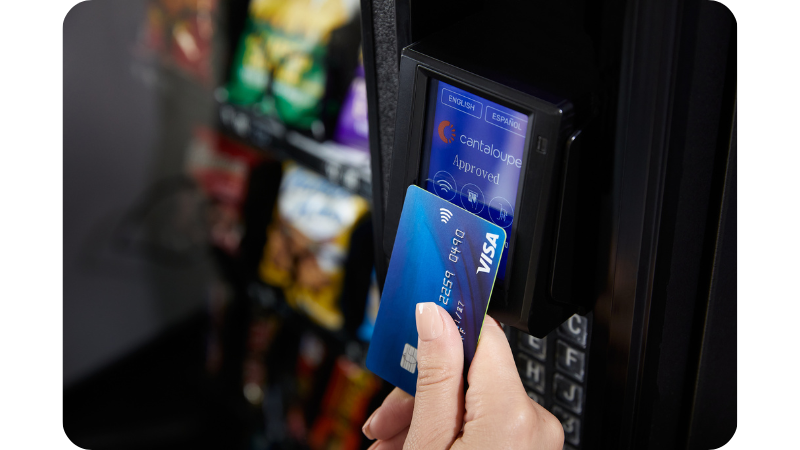
If your vending machines still rely on cash, you’re leaving money on the table. Today’s consumers expect speed, ease, and the ability to pay with a tap. Find out how this small shift in payment preference is driving big results for operators — and why going contactless might be the smartest move you make this year.